Computed tomography (CT) is a post-primary imaging specialty for radiologic technologists (ARRT). Technologists may enter CT through on-the-job training or by completing an academic program, which may include didactic coursework, clinical experience, or a combination of both to meet certification requirements.
Unlike general radiography, CT uses rotating X-ray beams and computer processing to create cross-sectional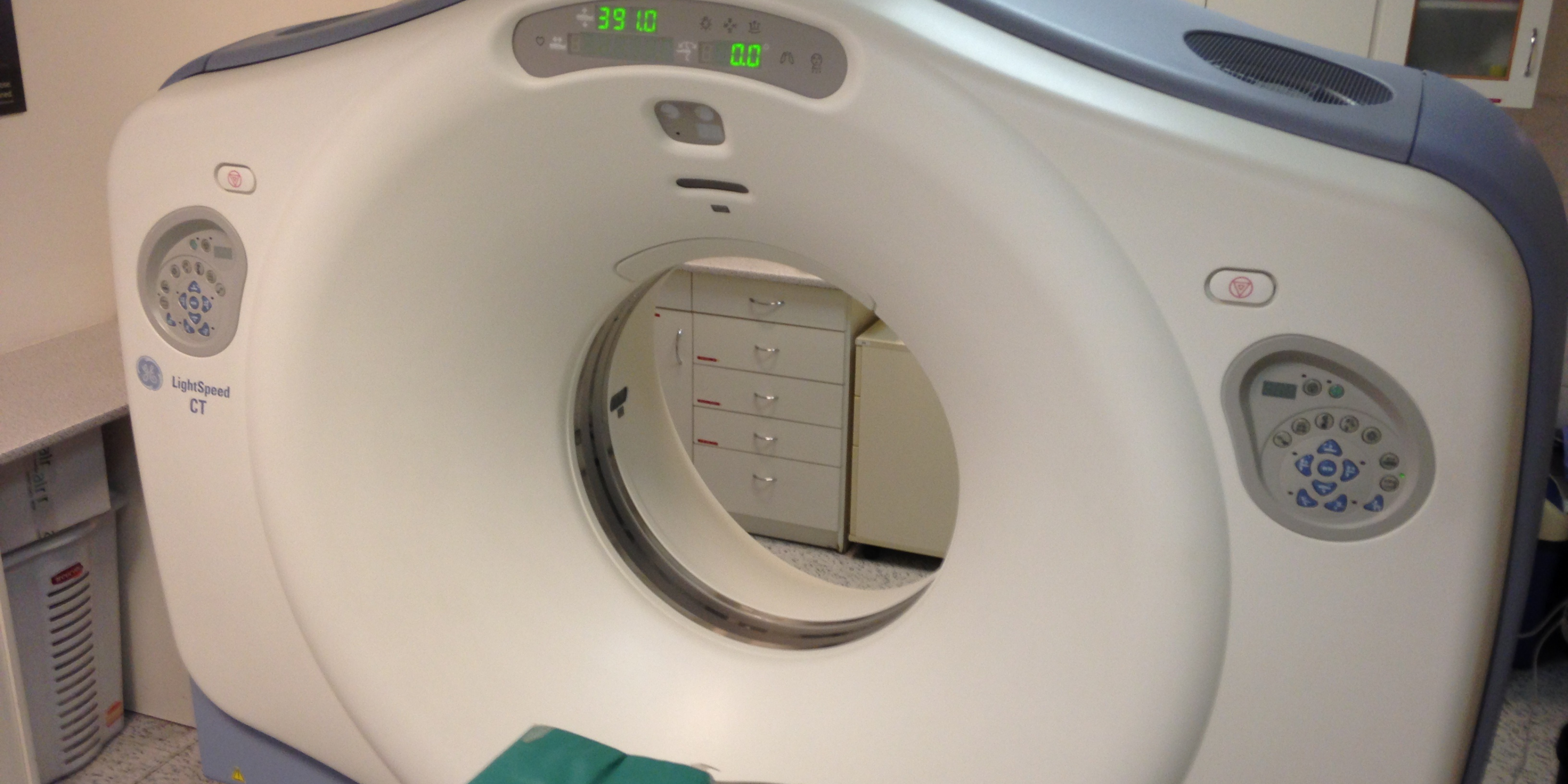 images of the body. This allows for detailed visualization of anatomy, pathology, and trauma that may not be seen on standard X-rays.
A typical day may include performing exams such as head, chest, abdomen, and trauma scans, as well as assisting with contrast-enhanced studies. CT technologists work closely with patients and the healthcare team, often in fast-paced environments like emergency departments. The role requires strong attention to detail, patient care skills, and the ability to make quick decisions to ensure both image quality and patient safety.
Connect With a Nebraska Computed Tomography Program
MAMMOGRAPHY 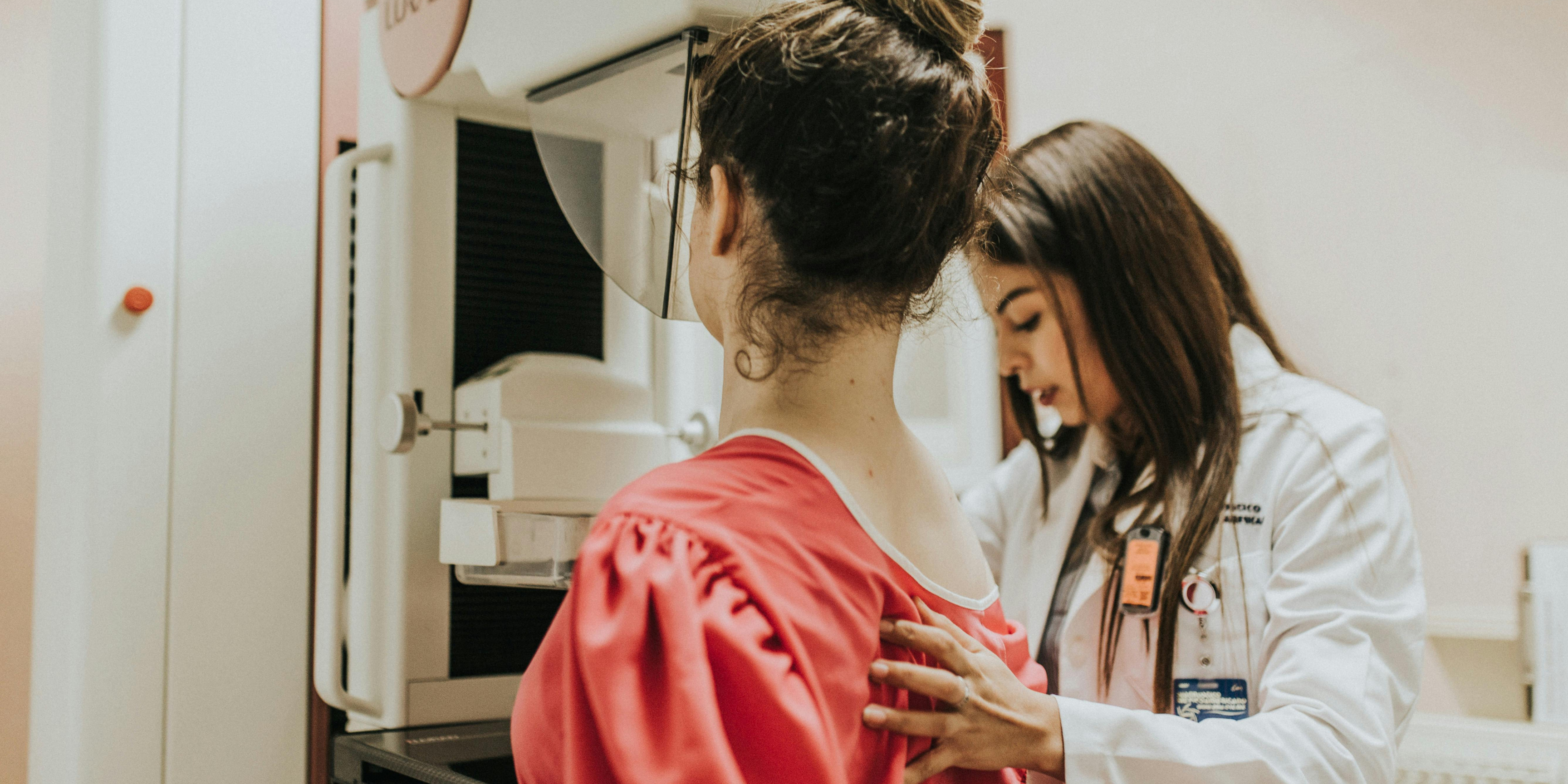
Mammography is a post-primary imaging specialty focused on breast imaging and early detection of breast cancer. Radiologic technologists typically enter mammography through on-the-job training and by completing an intensive training course designed to meet initial certification requirements.
Mammographers must also meet MQSA (Mammography Quality Standards Act) requirements, which include specific education, clinical experience, and ongoing continuing education to ensure high-quality imaging and patient safety. These standards are unique to mammography and emphasize both technical skill and patient-centered care.
Some technologists choose to further their education through bachelor’s degree programs with an emphasis in mammography or women’s imaging, which can support career advancement and specialization.
A typical day includes performing screening and diagnostic mammograms, assisting with procedures such as biopsies, and working closely with patients during what can be a sensitive and sometimes stressful experience. Mammographers play a critical role in early detection and must combine technical precision with strong communication and compassionate care.
Connect With a Nebraska Mammography Program
MRI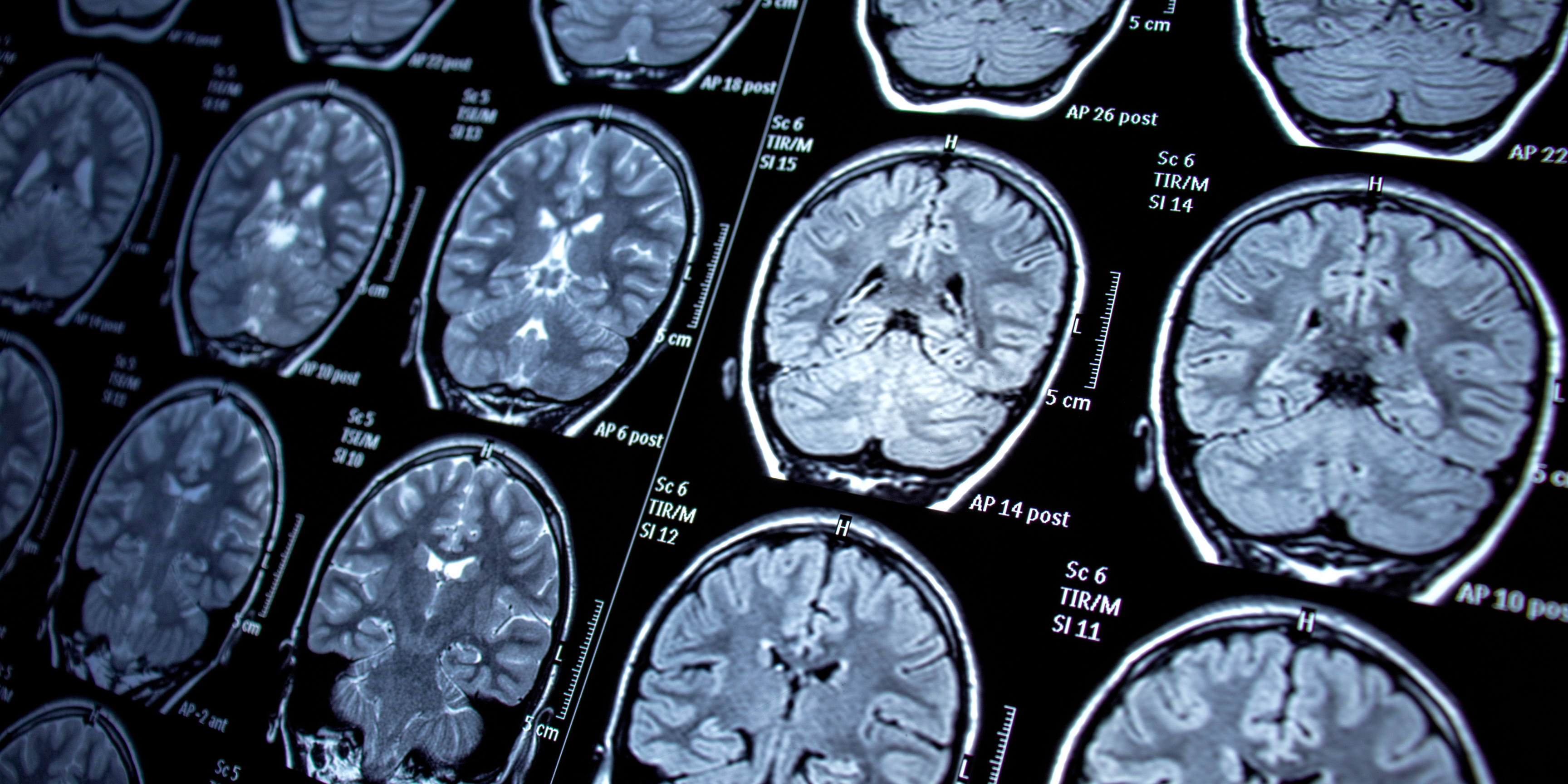
Magnetic resonance imaging (MRI) is a post-primary imaging specialty for radiologic technologists (ARRT). Technologists may enter MRI through on-the-job training or by completing an academic program, which may include didactic coursework, clinical experience, or a combination of both to meet certification requirements.
Unlike X-ray or CT, MRI uses powerful magnets and radiofrequency signals, not ionizing radiation, to create highly detailed images of soft tissues. This makes it especially useful for imaging the brain, spine, joints, and organs.
A typical day may include performing exams such as brain, spine, musculoskeletal, and abdominal scans. MRI technologists are responsible for thorough patient screening for magnet safety, positioning, and monitoring patients throughout longer exam times. The role requires strong attention to detail, critical thinking, and a high level of patient care, particularly for patients who may be anxious or uncomfortable in the MRI environment.
Connect With a Nebraska MRI Program
Radiation Therapy
Radiation therapy is a primary imaging and treatment pathway within medical imaging, meaning students can enter this field directly through an accredited radiation therapy program without first becoming a radiologic technologist. However, many radiologic technologists choose to pursue radiation therapy as a post-primary pathway, and completion of an accredited program is required to obtain certification in this field.
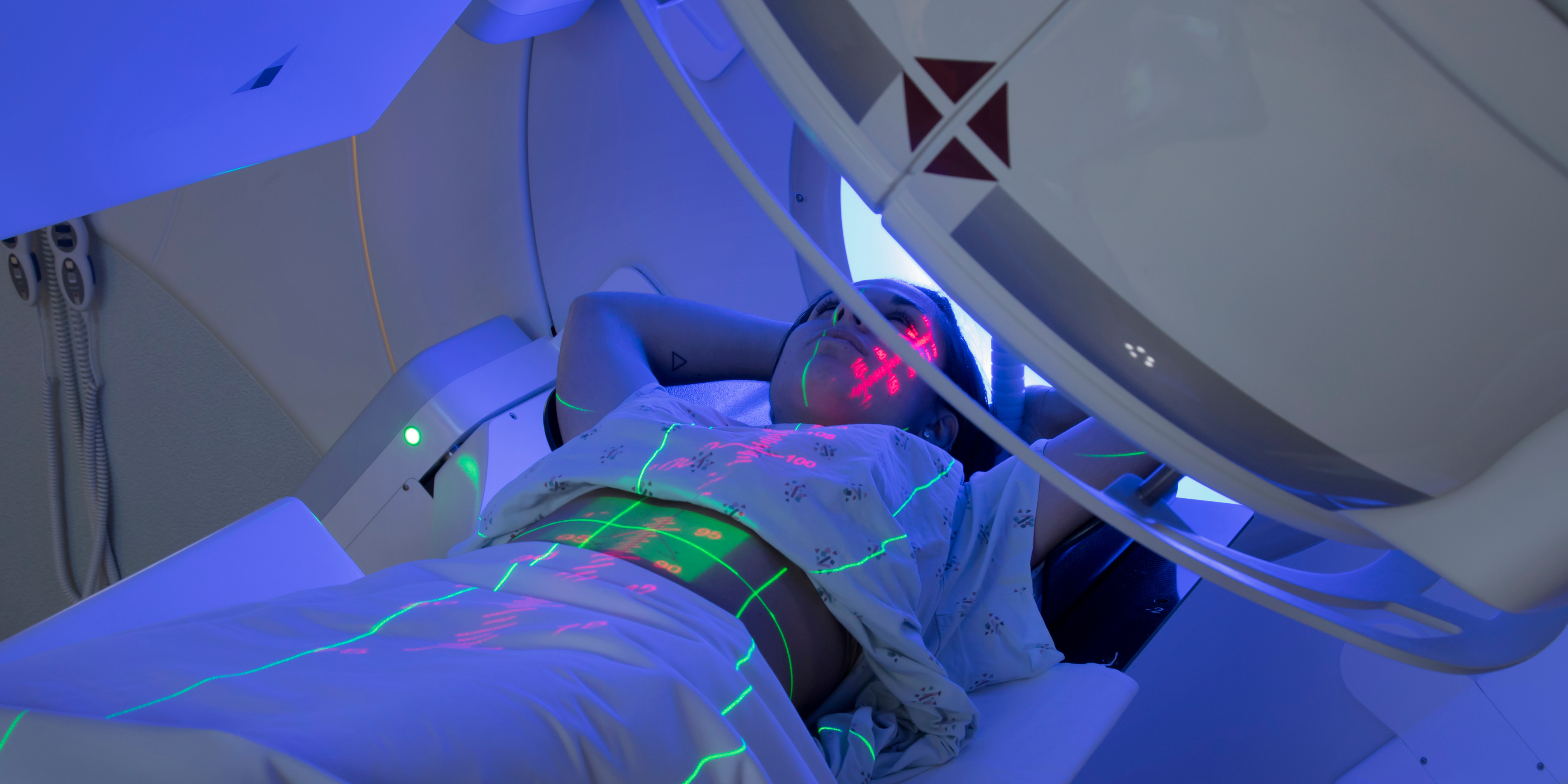 Unlike diagnostic imaging, radiation therapy focuses on the treatment of cancer and other diseases using high-energy radiation. Rather than creating images for diagnosis, radiation therapists deliver precise doses of radiation to target tumors while minimizing exposure to surrounding healthy tissue.
A typical day may include positioning patients for treatment, operating linear accelerators, verifying treatment plans, and closely monitoring patients throughout their course of therapy. Radiation therapists work as part of an oncology team that includes radiation oncologists, medical physicists, and dosimetrists. The role requires strong technical skills, attention to detail, and compassionate patient care, as therapists often build meaningful relationships with patients over the course of their treatment.
Connect With A Nebraska Radiation Therapy Program
Nuclear Medicine
Nuclear medicine is a specialized imaging pathway that can be entered as a primary program or as a post-primary option for radiologic technologists. Completion of an accredited program is required to obtain certification in this field. While there are no in-state programs in Nebraska at this time, some institutions offer online coursework paired with clinical practicums that can be completed at approved sites within the state.
Unlike X-ray or CT, nuclear medicine uses radiopharmaceuticals (small amounts of radioactive material) that are introduced into the body to evaluate how organs and systems function. This allows technologists to capture both functional and anatomical information, often identifying disease at an earlier stage.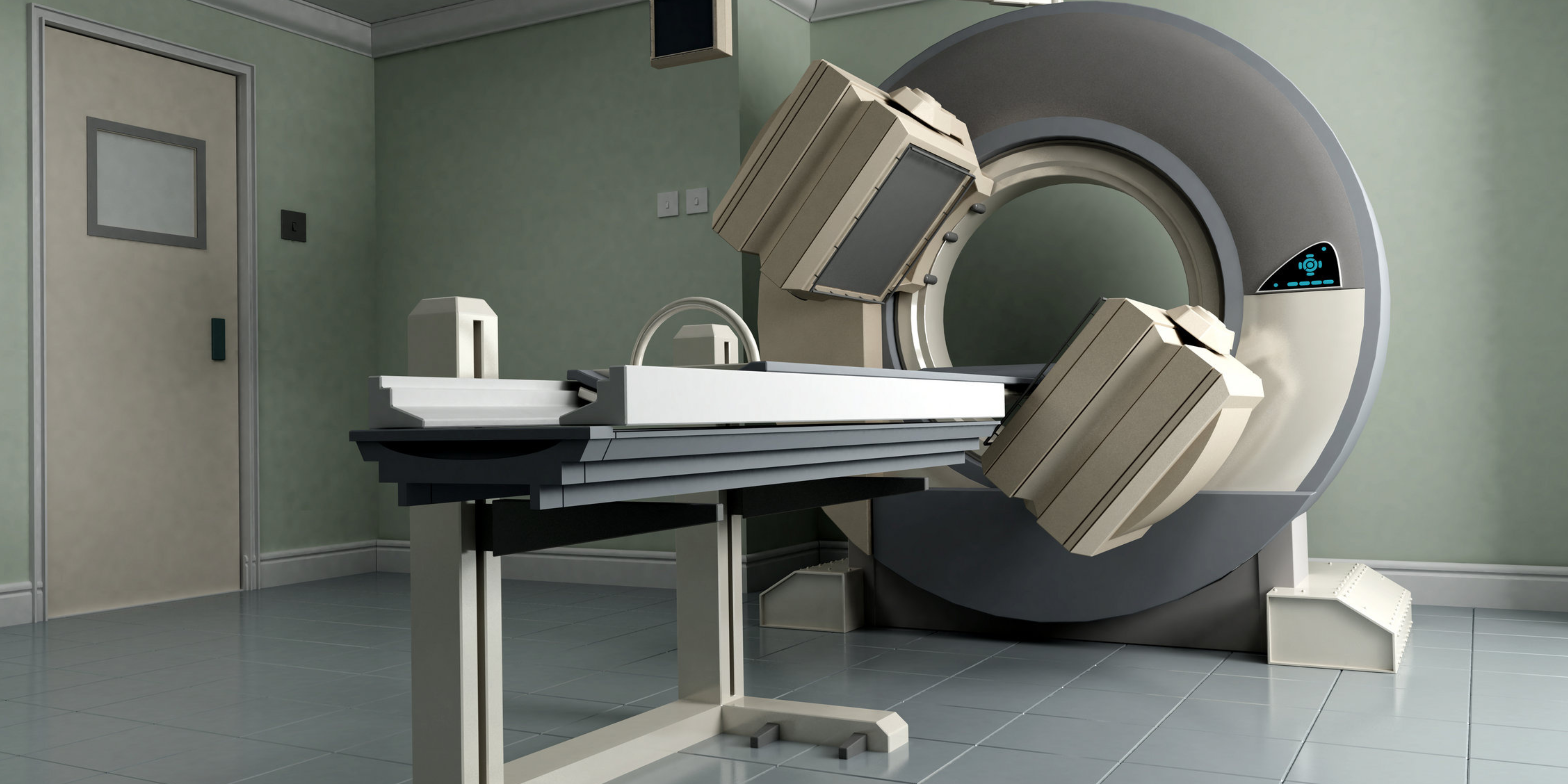
A typical day may include preparing and administering radiopharmaceuticals, performing imaging exams such as bone scans, PET scans, or cardiac studies, and monitoring patients throughout the process. Nuclear medicine technologists work closely with physicians and must have strong attention to detail, safety awareness, and patient care skills, particularly when handling radioactive materials.
Other Pathways in Medical Imaging
Other pathways in medical imaging offer opportunities to expand your career beyond direct patient imaging into advanced, specialized, or leadership-focused roles. Many of these options are designed for radiologic technologists who want to build on their experience through flexible, often online degree programs that can be completed part- or full-time.
Programs such as online bachelor’s degrees in medical imaging help prepare technologists for post-primary certifications in a variety of modalities while also opening doors to non-clinical roles. These pathways allow you to grow within the profession while aligning with your personal interests and long-term goals.
Examples of “other” pathways include areas like medical imaging informatics (managing imaging data and systems), 3D printing and visualization (creating models for surgical planning and education), and leadership or administration roles within imaging departments. Some technologists also pursue graduate education, such as degrees in health delivery science or health professions teaching and technology, leading to careers in education, program leadership, or healthcare innovation.
These pathways are ideal for technologists who enjoy the imaging field but are looking to expand their impact beyond the exam room.
Find the Right Path For You

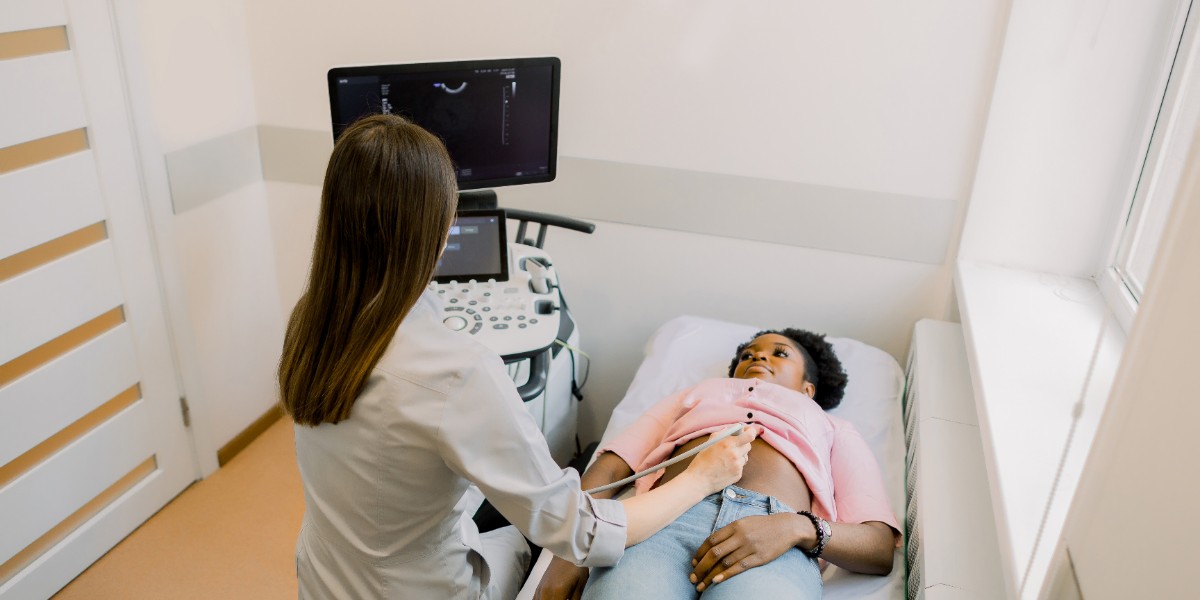 pathway is for those already registered as radiologic technologists (ARRT), allowing them to build on their existing imaging knowledge and transition into ultrasound through additional education and clinical training.
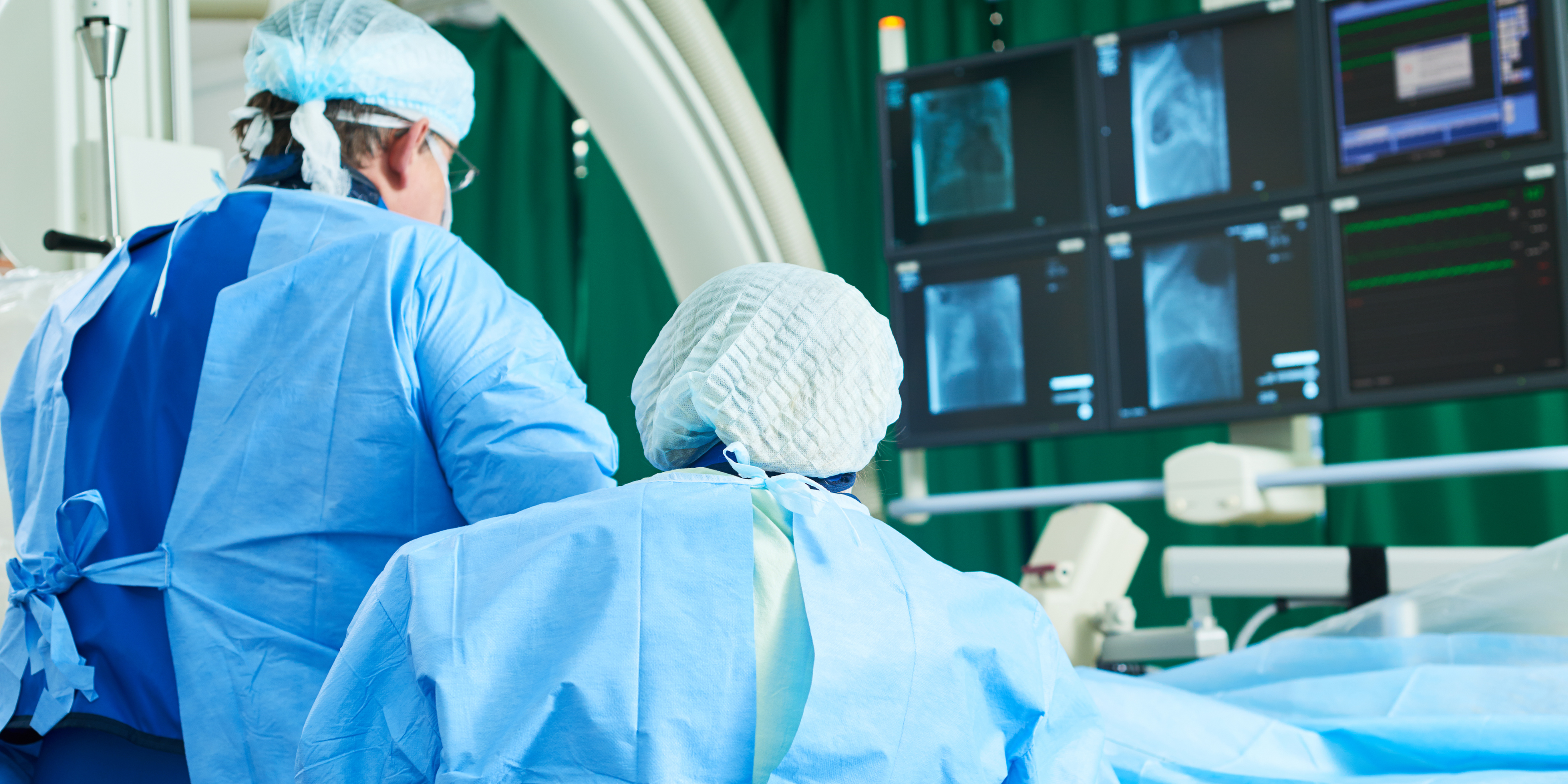 Unlike diagnostic imaging, which focuses on capturing images for diagnosis, IR and cath lab procedures use imaging guidance (such as fluoroscopy and contrast) to actively treat and manage medical conditions. These minimally invasive procedures often replace traditional surgery and can reduce recovery time for patients.